
Some links on this page are affiliate links. We earn a commission at no extra cost to you, and we only feature products we would buy ourselves.
The number nobody talks about
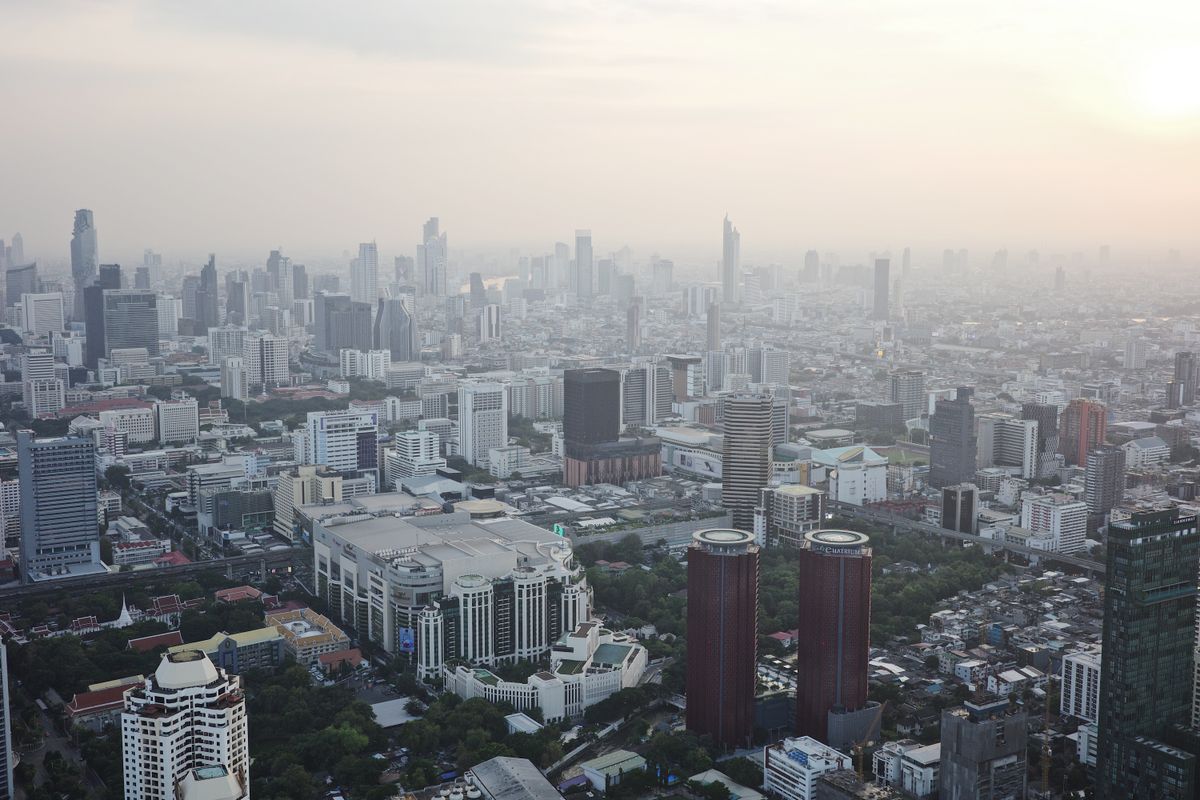
In 2024, the average Bangkok resident inhaled fine-particle pollution equal to smoking 1,297 cigarettes. Not a smoker? Doesn’t matter. You smoked them anyway.
Hanoi runs at roughly two cigarettes a day. Jakarta and Delhi are often worse. Even Singapore has haze weeks where the sky turns the colour of dishwater.
You track your protein. You take your magnesium. And then you breathe 20,000 times a day without ever checking what’s in it.
What PM2.5 actually is
PM2.5 means particles smaller than 2.5 micrometres. About 30 times thinner than a human hair.
That size is the problem. Bigger dust gets caught in your nose and throat. PM2.5 sails past all of it, lands deep in the lungs, and the smallest particles cross into your bloodstream. From there the research links it to heart disease, stroke, lung cancer, dementia and shorter lives. The WHO estimates 99% of humanity breathes air above its guideline levels, and the cities most of us live in across Asia sit far above them.
The scale researchers use makes it real: roughly every 22 µg/m³ of PM2.5 you breathe for a day equals one cigarette. Bangkok in burning season regularly runs 3 to 6 cigarettes a day. You can check your own city on any AQI app right now.
Here’s the part most people get wrong: staying indoors doesn’t save you. Indoor air is often 2 to 5 times worse than outdoor air, because outdoor pollution seeps in and then cooking, incense, cleaning products and bad ventilation pile on top.
Step 1: Measure it
You can’t manage what you can’t see. A monitor turns an invisible problem into a number on a screen, room by room, hour by hour. Two things happen when people buy one: they discover their bedroom is worse than the street, and they never unplug it again.
The one we’d buy: AirGradient ONE
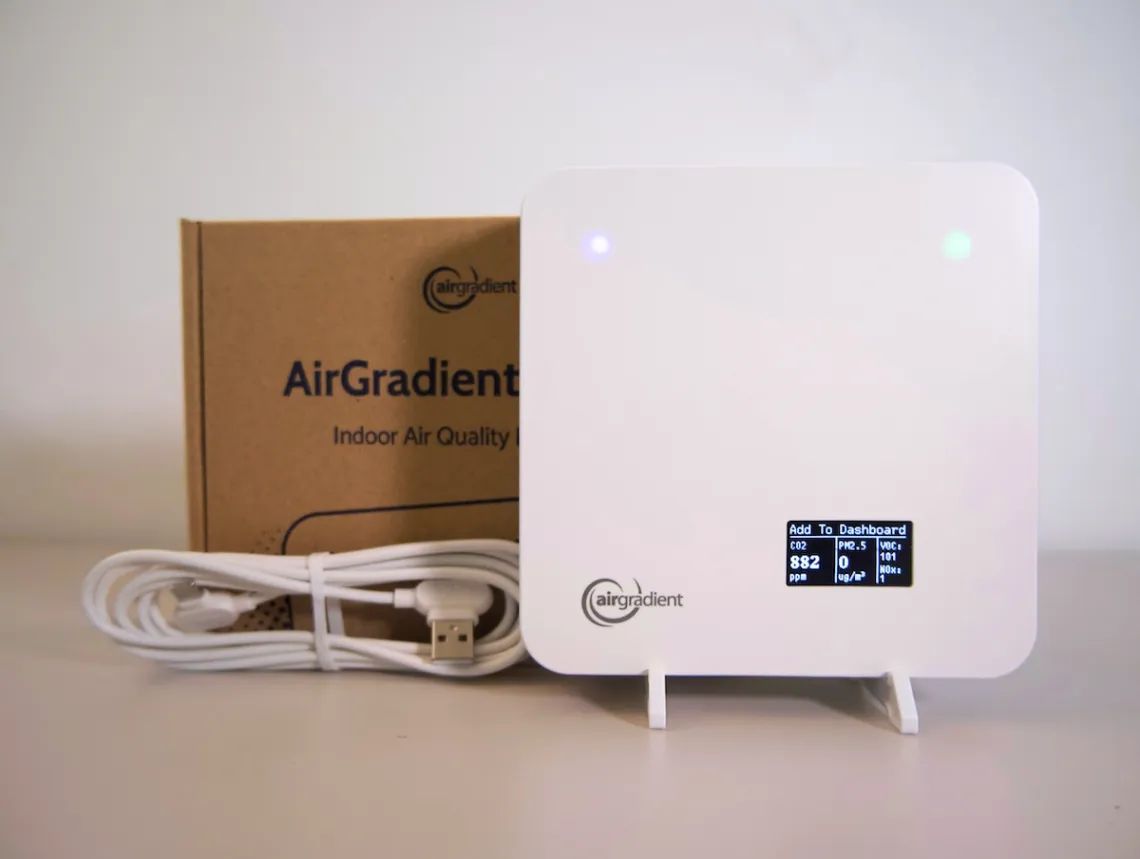
$230 assembled, or $138 as a DIY kit. Open-source hardware, independently tested, award winner for accuracy under €500 at the AIRLAB Microsensors Challenge. Built in Chiang Mai by a company that exists because of Thailand’s burning season. Measures PM2.5, CO2, VOCs, NOx, temperature and humidity. You own your data.
The budget pick: Amazon Smart Air Quality Monitor
About $70. PM2.5, VOCs, CO and humidity. No fancy screen, but it does the core job and pings your phone when cooking smoke or a bad-air day spikes your rooms. The cheapest way to stop guessing.
Step 2: Filter it
A purifier is not a wellness gadget. In an Asian city it arguably does more for your long-term health than any supplement you will ever buy. It’s a motor pushing air through a HEPA filter, and HEPA filters genuinely capture PM2.5.
Three rules when buying: match the CADR rating to a room bigger than yours, so it can run on quiet mode and keep up. Bedroom first, you spend eight hours a night there. And count the filter cost, not the sticker price.
The bedroom pick: Levoit Core 300S
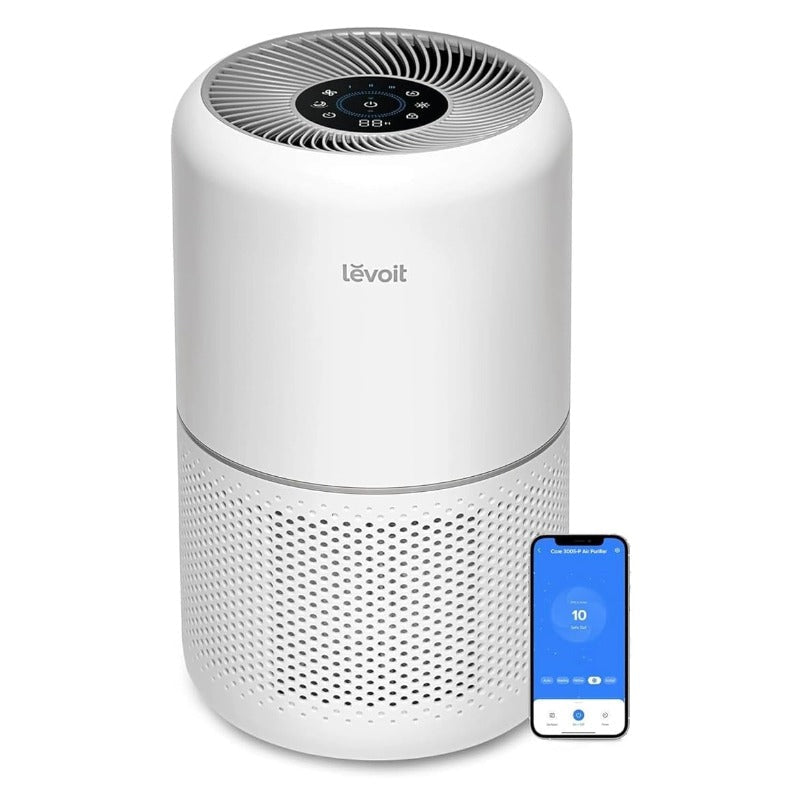
About $150. The best-reviewed price-to-performance purifier of recent years. True HEPA, 22dB on sleep mode (quieter than your aircon), cheap replacement filters, auto mode via app. Sized for bedrooms; its big brother Core 600S covers living rooms.
The step up: Coway Airmega 150
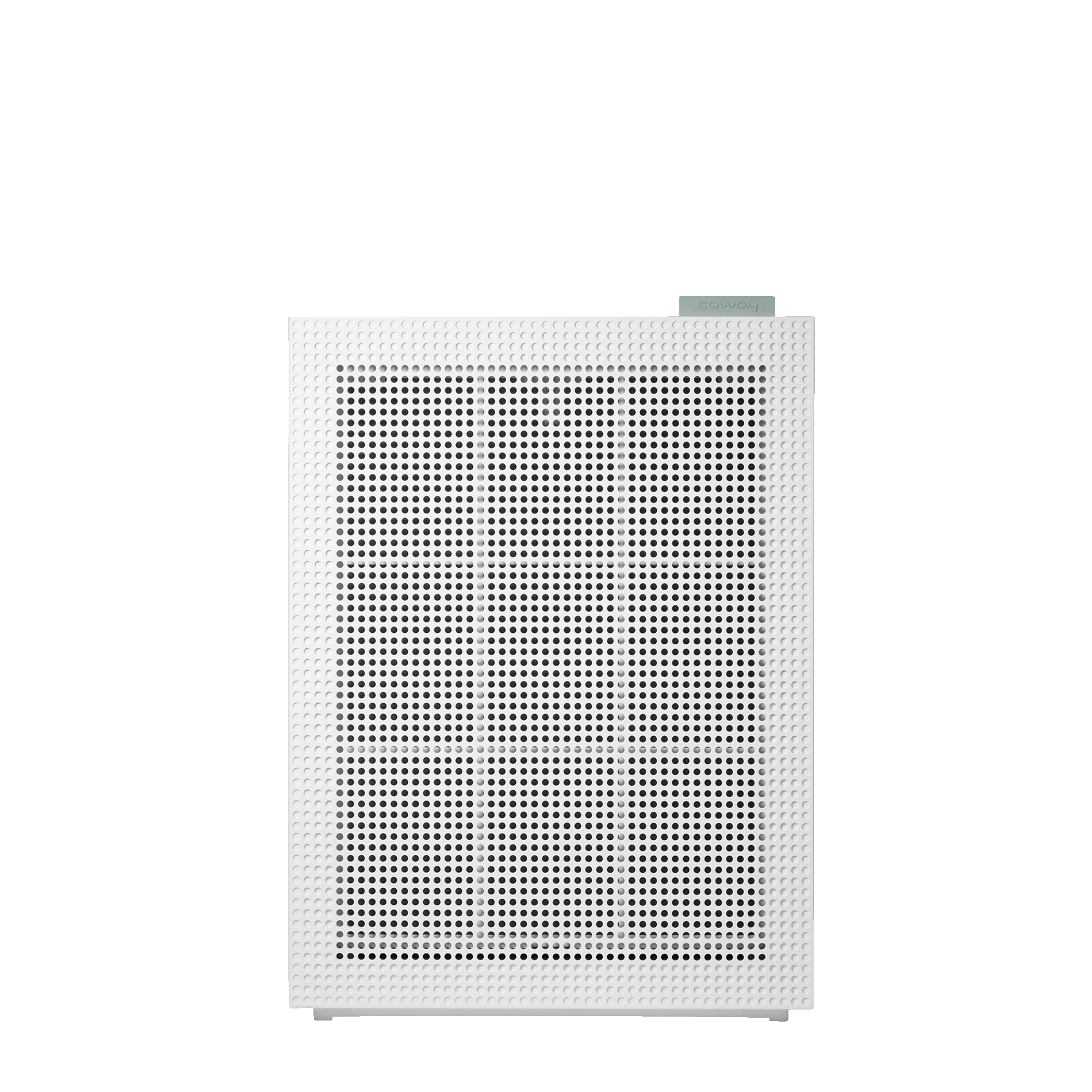
About $190. The Korean giant. Washable pre-filter, HEPA plus deodorization stage, an auto mode that actually works, a near-silent 20dB sleep setting, and a service network across Asia. If the budget allows one serious unit, this is it.
The MOTIONE clean air protocol
- Buy a monitor before you buy anything else. Data first.
- Purifier in the bedroom, running 24/7 on auto, door and windows closed on bad days.
- Check outdoor AQI each morning like you check the weather. Below 50, open the windows and air the place out. Above 100, keep them shut.
- On red days (AQI 150+), wear a proper N95 outdoors. Surgical masks don’t stop PM2.5.
- In the car, recirculation mode in traffic.
- Time outdoor training by AQI, not by habit. A hard run on a red day is a net negative.
The honest catch
Clean air at home doesn’t fix the city. You’ll still commute, eat street food under traffic, walk to the BTS. That’s fine. The goal isn’t zero exposure, it’s cutting the eight sleeping hours and the working-from-home hours down to near-clean. That alone removes the majority of your weekly dose.
FAQ
Is this only a burning-season problem? No. December to April is worst in Thailand and the Mekong region, but traffic and industry keep baseline levels above WHO guidelines year-round in most Asian capitals.
Do plants clean air? Not meaningfully. The NASA study everyone quotes was a sealed chamber. You’d need a jungle per room.
Do aircon filters help? Standard aircon filters catch dust, not PM2.5. Better than nothing, worse than a real HEPA purifier.
What about ionizers? Avoid ozone-generating ones. Ozone is itself a lung irritant. Mechanical HEPA filtration only.
One useful thing like this every week, tested for life in Asia. Join The Edge, free.
Sources: Nation Thailand (Bangkok 2024 cigarette equivalence) · Vietcetera (Hanoi) · Berkeley Earth (equivalence methodology) · WHO ambient air quality database · US EPA (indoor air) · Consumer Reports monitor testing 2026 · AIRLAB Microsensors Challenge 2023.