You’ve heard it a thousand times. Blackout curtains. No coffee after lunch. Phone out of the room. “Wind down.” And you’re still staring at the ceiling at 3am.
So let’s skip all of that. If the obvious stuff had fixed you, you’d already be asleep. Here’s what actually moves the needle once you’ve done the basics, the levers almost nobody mentions.
1. Waking at 3am? That’s usually blood sugar, not stress.
If you fall asleep fine but snap awake at 3 or 4am, wired, the culprit is often a blood-sugar dip. When your glucose falls overnight, your body fires off cortisol and adrenaline to pull it back up, and that surge wakes you. The usual triggers: a sugar- or carb-heavy dinner (big spike, big crash), alcohol (same pattern), or going to bed underfed after a long gap since dinner.
Try a small protein-and-fat snack before bed, a spoon of nut butter, a boiled egg, a few bites of Greek yogurt, and skip the nightcap. For a lot of “I wake at 3am every night” people, this is the whole fix.
2. Your sealed bedroom is suffocating your sleep.
Close the door and windows and your bedroom’s CO₂ climbs all night, often past 1,150 ppm, the stuffy-meeting-room level. In controlled studies that’s enough to cost you deep sleep and cause more awakenings; opening a window or door dropped CO₂ to around 700 ppm and measurably improved sleep quality (Indoor Air, 2018). Crack a window, leave the door ajar, or run a fan. It costs nothing and almost no one thinks of it.
3. It’s not the screen before bed, it’s the light during sleep.
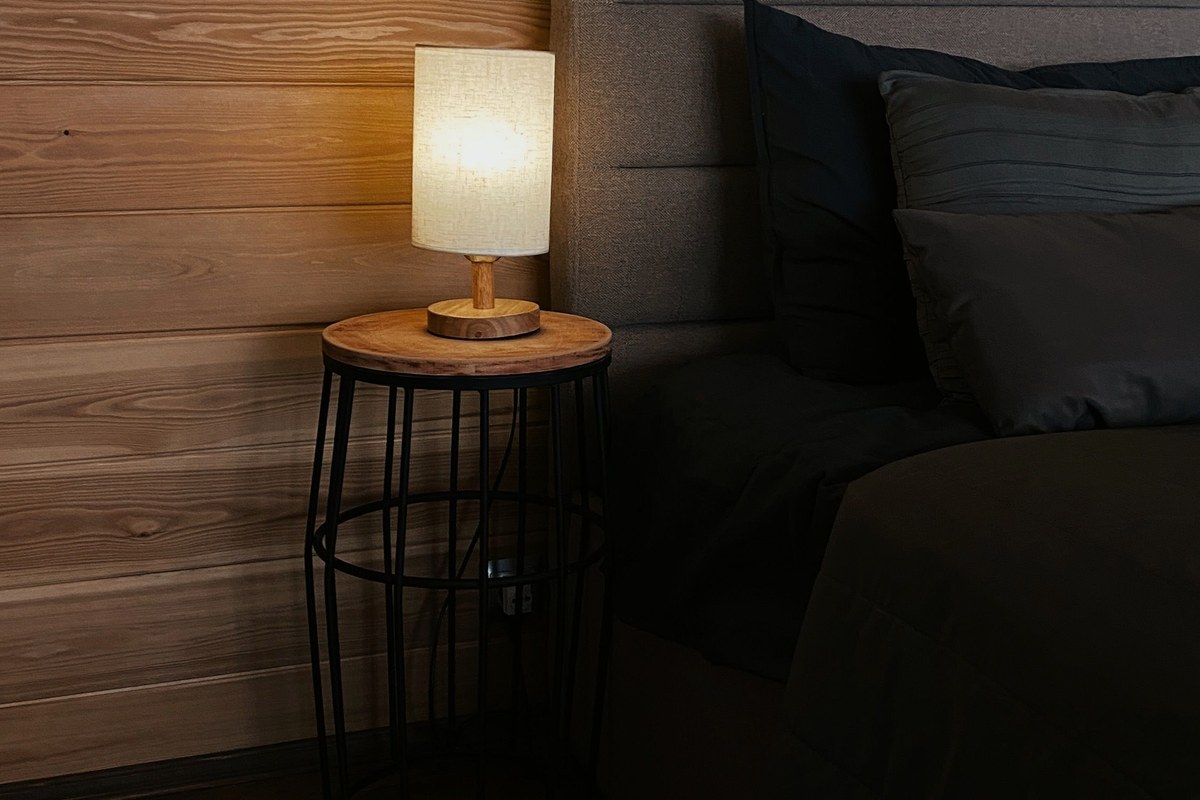
Everyone obsesses over blue light before bed. Almost no one realises that even dim light while you’re asleep does damage. In a Northwestern study, a single night under moderate room light, about the brightness of a hallway, raised people’s heart rate, dropped their heart-rate variability, and worsened next-morning insulin resistance versus near-darkness (Zee et al., PNAS, 2022). The standby LEDs, the streetlight through a gap, a partner’s screen, it adds up. Sleep in true darkness. A proper eye mask beats blackout curtains and costs ten dollars.
4. Warm your feet to cool your core.
This sounds backwards, and it’s real. Sleep is triggered by your core temperature dropping, and the fastest way to drop it is to warm your hands and feet. Warm skin opens the blood vessels at your extremities, which dumps core heat (Kräuchi et al., Nature, 1999). So: warm socks, or a quick foot bath. Cold feet keep you awake; warm feet cool the engine.
5. A hot bath, but 90 minutes before bed, not right before.
Same mechanism, bigger lever. A warm bath or shower (40–42°C) taken one to two hours before bed exaggerates the core-temperature drop that follows. A meta-analysis of 13 studies found it shortened the time to fall asleep, with as little as ten minutes of heating (Haghayegh et al., Sleep Medicine Reviews, 2019). The timing is the trick: hot water right before bed warms you up; an hour or two before, you ride the rebound down into sleep.
6. Empty your head onto paper, tomorrow’s list, not today’s.
If your mind starts racing the second the lights go off, “just relax” is useless advice. The fix is oddly specific: write down tomorrow’s to-do list. In a Baylor sleep-lab study, people who spent five minutes writing a to-do list fell asleep about nine minutes faster than those who journaled what they’d already done, and the more specific the list, the faster they dropped off (Scullin et al., 2018). You’re offloading the open loops so your brain stops rehearsing them.
7. Fix your breathing, and rule out the thing no supplement fixes.
If you wake with a dry mouth, snore, or feel wrecked after eight “full” hours, you may be mouth-breathing, or have undiagnosed sleep apnoea. Nasal breathing keeps sleep deeper; some people use a small strip of skin-safe mouth tape and swear by it (low-risk to try if you don’t snore heavily).
But the honest part: loud snoring or waking up gasping isn’t “bad sleep,” it’s a medical issue, and no magnesium on earth fixes it. Get it checked. It’s the most overlooked cause of “I sleep, but I’m exhausted.”
8. Look past melatonin to the quieter stack.
Most people’s entire sleep-supplement knowledge is “take melatonin,” and they take it wrong (more on that in a second). The compounds with calmer, better evidence for the tired-but-wired type are the ones nobody markets (we go deeper in our 3-supplement sleep stack guide):
- Magnesium glycinate (200–400 mg) — calms the nervous system. Use glycinate, not the cheap oxide that just passes through you. (More on why the form matters in our magnesium-for-sleep guide.)
- Glycine, 3 g — lowers core temperature; improved sleep quality and speed in controlled trials.
- L-theanine (200 mg) — the calm-without-sedation compound from green tea, good for a racing mind.
- Apigenin (~50 mg) — the actual relaxing compound in chamomile, minus the weak tea.
And about melatonin: it’s a timing signal, not a sleeping pill. A dose as small as 0.3 mg works; mega-doses of 5–10 mg stop working within days and leave you groggy. If you use it, use a tiny dose to reset after travel, not as a nightly knockout.
And yes, the obvious basics still matter
If you genuinely haven’t fixed morning light, afternoon caffeine and a consistent wake time, do those too, they’re the floor. But you’ve heard that a hundred times. Everything above is what’s left when the floor wasn’t enough, which, if you’re reading this at 2am, it wasn’t.
The shortcut
We don’t make pills, and we’d rather you tried the free fixes first (ventilation, true darkness, the 3am snack, they cost nothing). But if you want the stack in one clean product, the closest match is Performance Lab Sleep: magnesium glycinate plus a genuinely low, natural dose of melatonin from tart cherry, the “small, not mega” approach the research supports.
If you’d rather build it yourself, magnesium glycinate, glycine and L-theanine from a clean brand on iHerb do the job for less (add the code ARP7701 at checkout).
FAQ
Why do I keep waking up at 3am?
Most often a blood-sugar dip that triggers a cortisol and adrenaline surge. A small protein-and-fat snack before bed and cutting alcohol fixes it for many people. Persistent early waking with low mood is also worth raising with a doctor.
I’ve tried everything and still can’t sleep. What’s left?
The non-obvious levers: ventilate the room (CO₂), sleep in true darkness (light during sleep matters, not just before), warm your feet or take a hot bath 1–2 hours before bed, do a five-minute to-do-list brain dump, and rule out sleep apnoea if you snore.
Is mouth taping safe?
Low-risk to try if you don’t snore heavily. But if you snore loudly or wake gasping, see a doctor first, that can be apnoea, which taping won’t fix and can mask.
What should I take for sleep if not melatonin?
Magnesium glycinate, glycine, and L-theanine have calmer, better evidence for most people. Keep melatonin to a tiny dose for occasional travel resets.
Is this medical advice?
No, it’s general information. Persistent insomnia, loud snoring or daytime exhaustion deserve a proper medical look.
Get the whole protocol on one page, free
We put every one of these, with the exact timings and doses, into a one-page checklist: the MOTIONE Sleep Protocol. The Edge is our free weekly email, the few things actually worth knowing, taking and buying to be at your best, made for life in Asia. Join free and we’ll send the protocol straight over.
Sources: Zee et al., PNAS, 2022; bedroom ventilation and sleep quality field study, Indoor Air, 2018; Haghayegh et al., Sleep Medicine Reviews, 2019; Scullin et al., Baylor University, 2018; Kräuchi et al., Nature, 1999; Yamadera et al. on glycine, 2007; Zhdanova et al. (MIT) on low-dose melatonin.