Sleep is the thing most people across Asia say they want to fix, yet the shelf is selling the wrong answer. Here’s the simple version: what to take, and what to skip.
You can’t sleep. So you do what everyone does, you buy melatonin. A big dose. It knocks you out, then you wake up foggy, like a hangover from a night you didn’t even enjoy.
That’s the trap. The world keeps you up late, then sells you a sledgehammer to put you down. There’s a quieter, smarter fix that hardly anyone reaches for first: the right kind of magnesium. Not the cheap kind in most bottles, the right kind, with just a small amount of natural melatonin instead of a big synthetic hit.
This is the simple guide we wish someone had handed us. We read the science so you don’t have to, sorted out what works from what just upsets your stomach, and found one clean product that ships across Asia.
The short version
• The kind that helps you sleep: magnesium glycinate, calm, gentle on the stomach.
• The kind to skip: magnesium oxide, cheap, barely absorbed, basically a laxative.
• On melatonin: a small, natural amount beats a big synthetic dose. No morning fog.
• Our pick: Performance Lab Sleep, glycinate magnesium plus a little natural melatonin from tart cherry, clean ingredients, ships to Asia.
• The habit matters too: take it 30–60 minutes before bed, every night.
First, the real problem
Magnesium isn’t magic. It’s more like topping up a tank that modern life keeps draining.
Stress uses it up. Coffee and alcohol flush it out. Hard workouts burn through it. And the food itself has less than it used to, today’s vegetables carry less magnesium than they did decades ago. So a lot of people are quietly running low without knowing it. And when you’re low, you get exactly the things that wreck sleep: a busy mind, tense muscles, that “tired but wired” feeling at midnight.
So it isn’t a willpower problem. The world drains the one mineral that helps you switch off at night, then hands you a synthetic melatonin pill instead of fixing the basics. We’d rather fix the basics.
The bit nobody tells you: most magnesium is the wrong kind
Here’s the part the label hides. The word “magnesium” on the front tells you almost nothing. What matters is what it’s mixed with, that decides how much your body actually absorbs, and what it does once it’s in.
Magnesium glycinate, the sleep one. Magnesium joined with glycine, a calming amino acid. Easy to absorb, kind to your stomach, and the one linked to relaxing and sleeping better. This is the one you want at night.
Magnesium L-threonate, the brain one. The kind that reaches the brain, so it’s sold for focus and memory. Useful, but it’s a thinking booster, not the best-value sleep tool.
Magnesium citrate, the cheap and cheerful one. Decent and affordable, but it pulls water into your gut, so past small amounts it’s better known for keeping you regular than for sleep.
Magnesium oxide, the dud. The cheapest kind, the one in most bargain bottles, and the one your body barely takes in. It’s basically a laxative dressed up as a sleep supplement. If your current bottle says “oxide,” that’s why it’s doing nothing.
Our take: if a sleep product won’t tell you which kind of magnesium is inside, assume it’s hiding oxide. The good ones print it proudly.
The second thing: a little natural melatonin beats a big synthetic one
Most sleep aids treat melatonin like a knockout pill, 5 or 10mg of the synthetic stuff. But melatonin isn’t a sedative. It’s a signal, your body makes a tiny amount to say “it’s night now.” Hit it with twenty times that and you don’t sleep better. You just wake up groggy, and over time your body stops listening.
The smarter move is a small amount from a natural source, tart cherry, which carries melatonin in roughly the amount your body actually uses, plus a couple of calming helpers. Less sledgehammer, more dimmer switch.
Our pick: Performance Lab Sleep
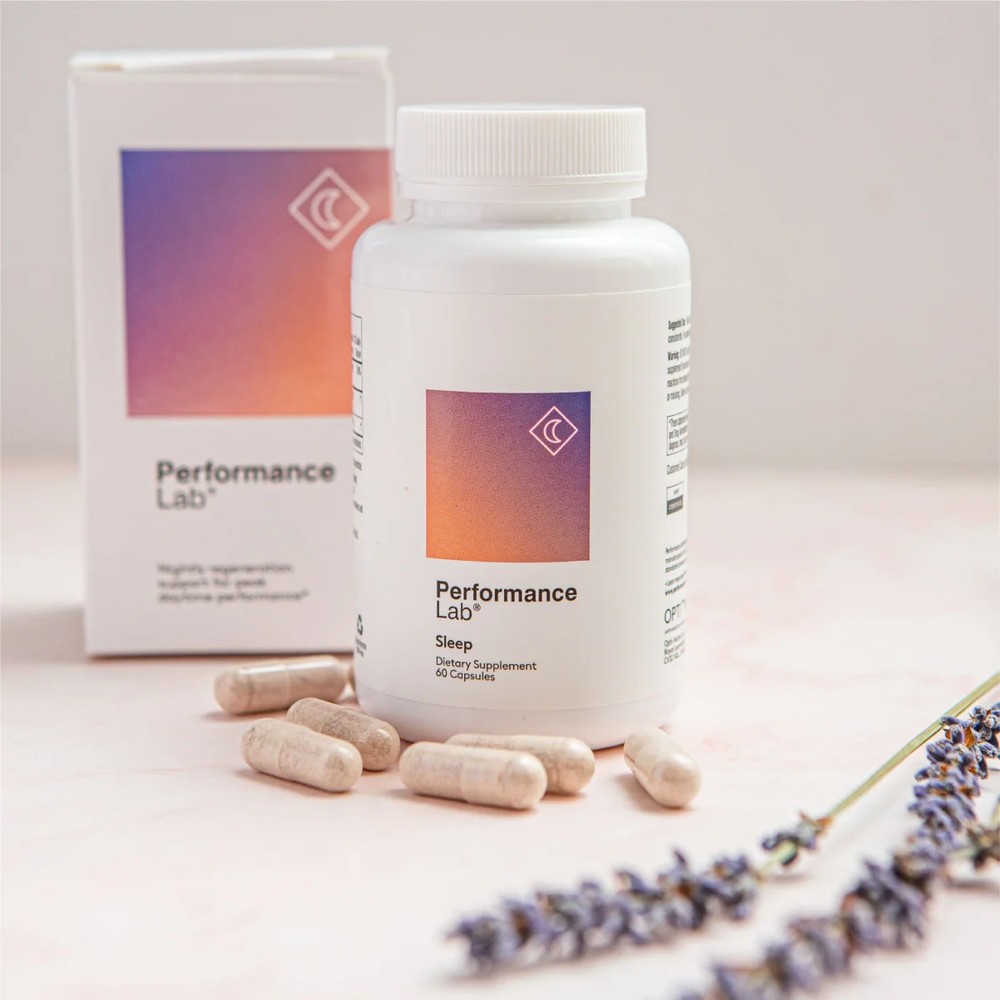
Best for: anyone who wants the clean, done-for-you version, without buying four different bottles to build it themselves.
| Price | about US$44 one-time; cheaper on subscription |
| Magnesium kind | Glycinate (the gentle, sleep-friendly one) |
| Natural melatonin | From tart cherry, a small, natural dose |
| Also inside | L-tryptophan and lemon balm (two calming helpers) |
| Ingredients | Vegan, no synthetic fillers, every dose shown on the label |
| Ships to Asia | Yes, via Performance Lab’s global store |
| How to take | 2–4 capsules, 30 minutes before bed |
Why we like it: it’s the rare sleep product that gets both things right in one bottle, the calming kind of magnesium, and a small natural dose of melatonin instead of a big synthetic one. No hidden blends, every dose on the label.
Most sleep supplements make you choose: a plain magnesium pill that ignores melatonin, or a melatonin bomb that ignores magnesium. This one doesn’t make you pick. It’s the mix a sleep expert would put together, sold as a single capsule.
The honest catch: it’s pricier than a basic magnesium tub, and it ships to Asia from the international store rather than a local warehouse, so order a few days early before you run out.
The simple, cheap version
Don’t want the full formula? The easy 80/20: a plain magnesium glycinate, taken before bed. Just swapping out any old oxide bottle for glycinate gets you most of the benefit.
You’ll see the big names while you shop, BiOptimizers Magnesium Breakthrough, Natural Vitality Calm, Thorne. They’re fine starting points and easy to find. Just check the label: for sleep, you want glycinate doing the work, not oxide padding out the number.
The habit (this matters as much as the pill)
A good supplement on a bad routine still loses. Keep it simple:
When: 30–60 minutes before bed, every night. Being consistent beats taking more.
How much: start with one serving and give it a week, magnesium builds up.
And do the free stuff too: dim the lights and put the phone down an hour before bed, no coffee after about 2pm, keep the room cool and dark.
That’s it. The right kind, a little natural melatonin, and a steady bedtime habit. No 7-supplement rabbit hole needed.
FAQ
Which magnesium is best for sleep?
Magnesium glycinate. Well absorbed, gentle on the stomach, and naturally calming. Skip magnesium oxide.
Will magnesium leave me groggy like melatonin does?
No. Magnesium helps you relax rather than knocking you out, so it doesn’t cause the morning fog big synthetic melatonin doses can.
Does it ship to where I live in Asia?
Performance Lab Sleep ships across Asia through the brand’s global store. Plain magnesium glycinate is also easy to find across the region.
Glycinate, threonate, citrate, what’s the difference?
Glycinate = sleep and calm. Threonate = brain and focus. Citrate = cheap, but loosens you up at higher doses.
This is general information, not medical advice, MOTIONE isn’t your doctor. If you’re pregnant, on medication, or managing a health condition, check with a professional before adding a supplement.
Sleep is the foundation. We’ll help you build the rest.
The healthy choice should be the easy choice. The Edge is our newsletter for people who refuse to settle for the world’s defaults, the one good thing to take, do, and buy, made for real life in Asia.